Help Center
Access essential toolkits, resources, and guides to support families, healthcare professionals, and administrators in elder care and medical staffing.
Payment Options
Private Pay
Also known as "self-pay", using personal finances from you or a loved one to pay for home care services is usually the most common method of payment.
Learn More: Private PayLong-Term Care Insurance
If you or a loved one has long term care insurance, you may discover that the benefits provided under this program can help pay for home care.
Learn More: Long-Term Care InsuranceGovernment Programs
Many areas offer government funded "entitlement programs" that offer to pay for specific amounts or a percentage of home care services available for target groups of seniors.
Learn More: Government ProgramsVeteran's Affairs
If you or a loved one are a veteran or their spouse and are over the age of 65 and disabled, Veteran's Affairs may be an available option when looking at how to pay for home care services.
Learn More: Veteran's AffairsTypes of Care
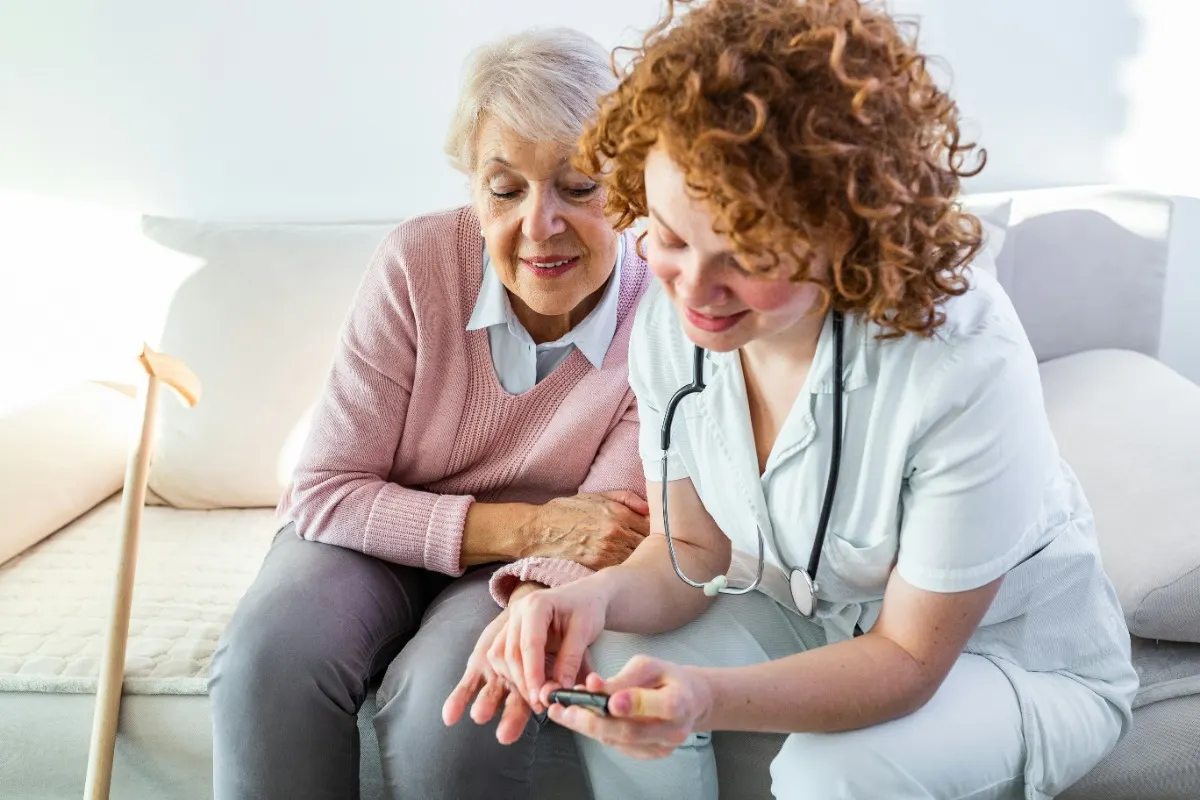

Medical Home Health Care
Involves a registered nurse and can be just as effective as care received in a hospital or skilled nursing facility (SNF). Types of services provided include wound care, pain management, IV therapy and injections, or mobility training.
Visit Medical Home Care Page: Medical Home Health Care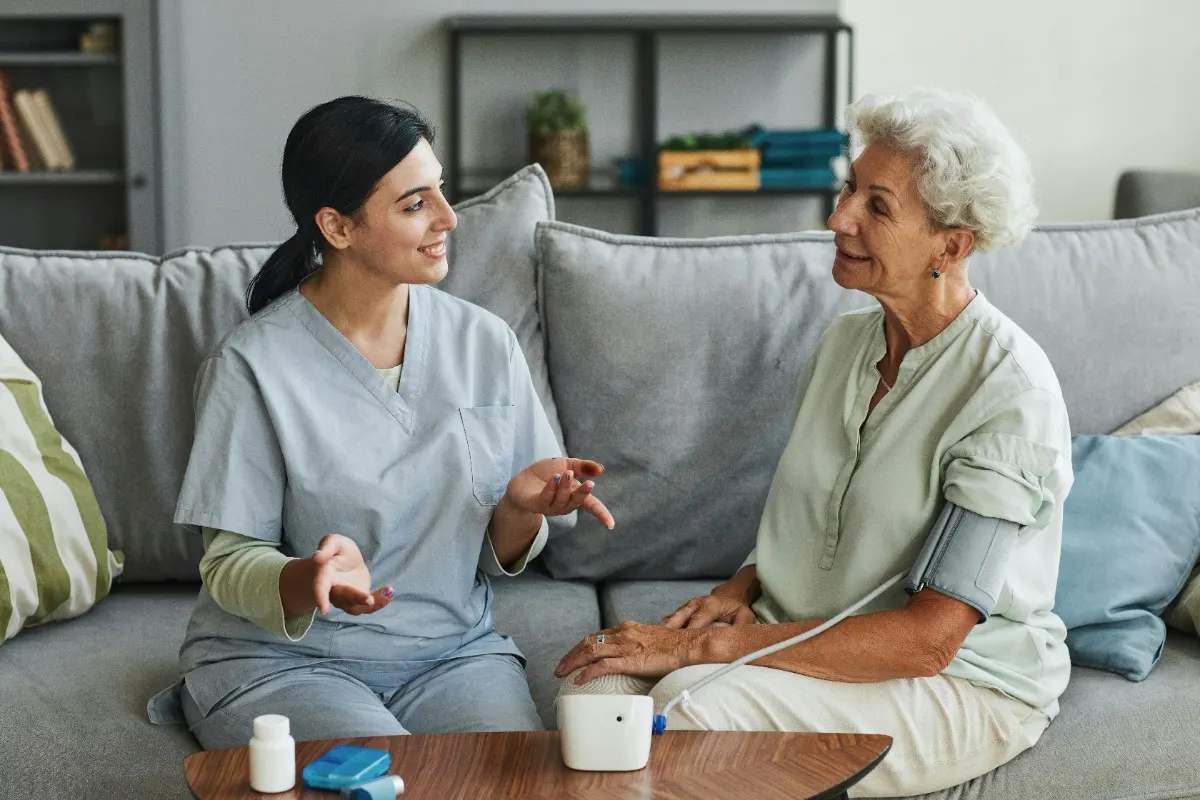

Non-Medical Home Care
Involves experienced caregivers or home health aides (HHAs) that can assist with activities of daily living (ADLs). Types of services provided include assistance with bathing, dressing, getting in and out of bed, and toileting. Additional services include cooking, light cleaning, laundry, and transportation.
Visit Home Health Care Page: Non-Medical Home Care5 Easy Steps to Get Care
Take Care Assessment
Personalized Care Plan
Skills Matching
Ongoing Communication
Peace of Mind
3 Types of Caregivers
Care Professional
Many caregivers have paid professional working experience within the home care field. Many times their career is sparked when caring for a loved one and discovering a love of providing care to others. Often professional caregivers do not have a certification or specific degree. They develop and hone their skill sets and knowledge through training and first-hand experience.
Home Health Aide
A Home Health Aide (HHA) is a specialist that is trained to assist with an individual's Activities of Daily Living (ADL) and their personal care. An HHA, in most cases, is more suitable to working within an individual's home or place of living than a CNA would be. HHA's however, are more limited in the tasks they can provide when compared to a caregiver that has a certification
Certified Nursing Assistant
A Certified Nursing Assistant (CNA) is a caregiver who has completed an approved and accredited training program and received licensing within their respective state. A CNA often works within medical facilities; they can also provide care within an individual's home or place of living. A CNA is able to provide more medical related care than a caregiver without licensing.
Knowledge Base
We offer expert advice, detailed guides, and answers to frequently asked questions designed to support you in providing the best care possible.
View All Downloadable Resources